
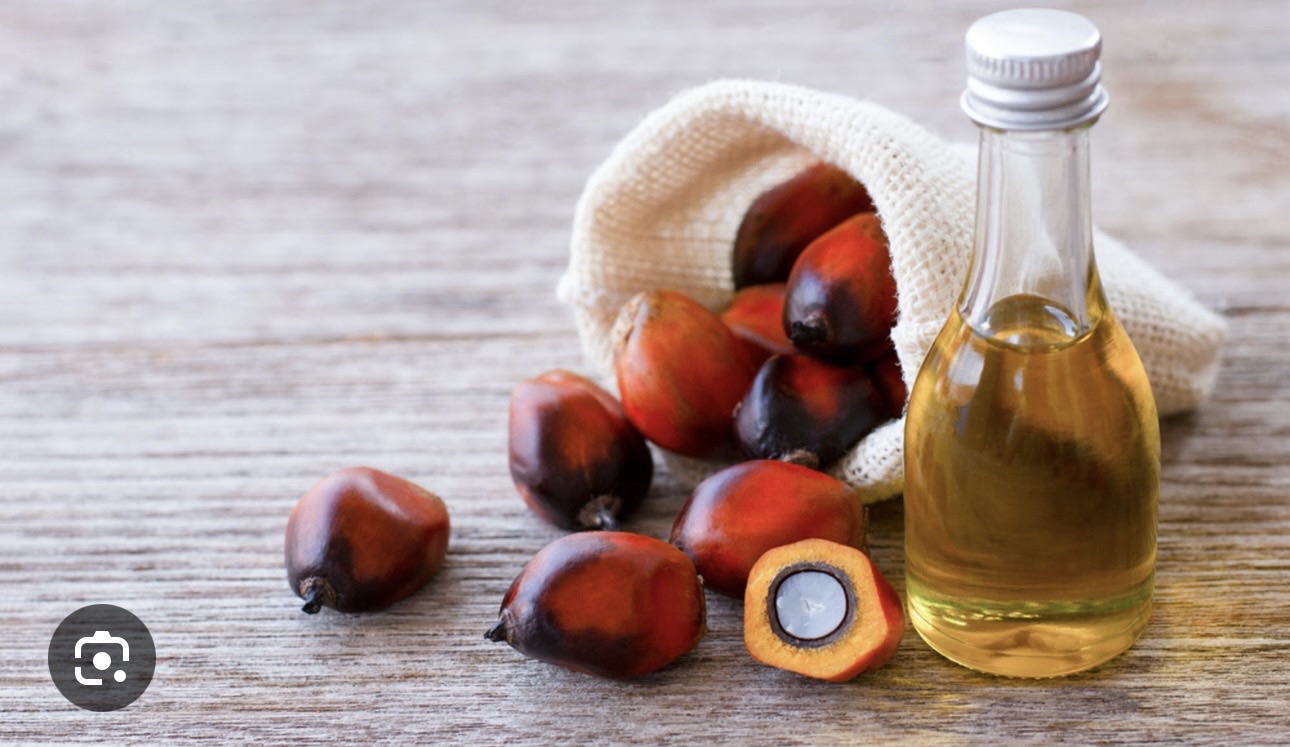
Due to its low price, palm oil is an increasingly common food item in the modern man’s diet. It is represented in confectionery products, sweets, but also in sour cream, cosmetic products. Experts say that palm oil has its advantages and disadvantages. In our country, it is not widely represented in households, but that is why it can be found in various products on store shelves. Raw palm oil is rich in provitamin A, on the other hand, the high content of saturated fatty acids in palm oil is a possible reason for the accumulation of fatty deposits in blood vessels, the development of fatty liver disease, and obesity.
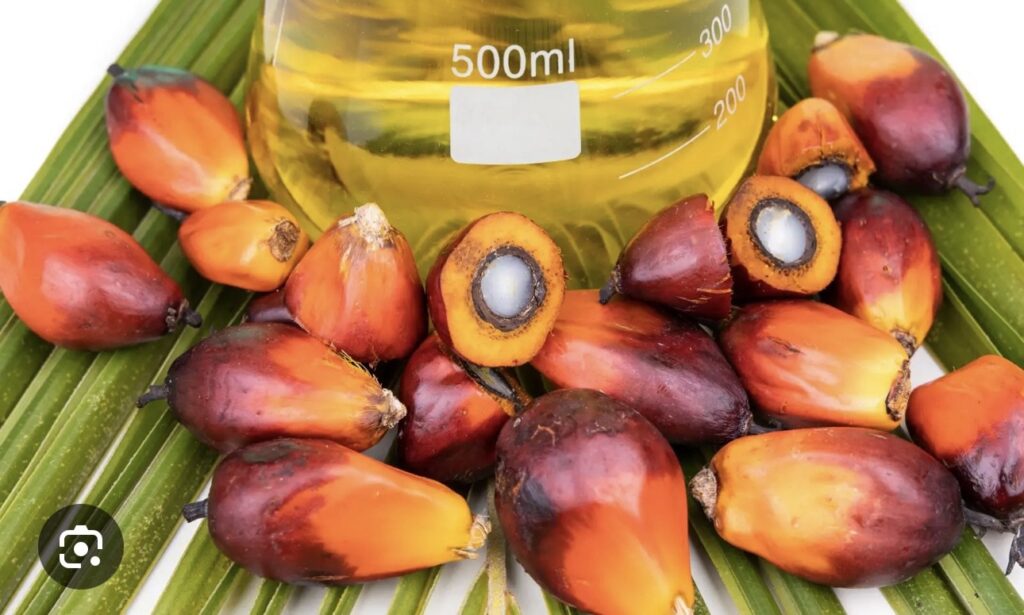
It improves lubricity and reduces the cost of the product
Palm oil is obtained from the fruit of the palm tree. It originates from Africa, while the palm was brought to the Far East as an ornamental plant. Indonesia and Malaysia are the main producers with more than 85 percent of the world’s palm oil production. This oil is mostly used in the western part of Africa, the Far East and South America.
Palm oil is most often found in confectionery, sweets and snacks, such as: biscuits, crackers, creams. It is added to margarine, butter and even sour cream. When it comes to bread, these are usually products with extended freshness. Palm oil in butter, sour cream and milk creams improves the spreadability of these products, but also reduces the price, maybe not for customers but certainly for producers.
Advantages of palm oil compared to coconut oil, butter
Palm oil has similar percentages of saturated and unsaturated fatty acids. When it comes to unsaturated fatty acids, it contains 40 percent monounsaturated oleic acid, 10 percent polyunsaturated linoleic acid, 44 percent saturated palmitic acid and 5 percent saturated stearic acid.
- The content of saturated fatty acids in palm oil is much lower, which is an advantage compared to coconut oil (93 percent), butter (70 percent) and cocoa butter (64 percent). Crude unrefined palm oil can contain 60 to 100 mg of vitamin E in 100 g of palm oil. After refining, the vitamin E content is significantly reduced (50 to 60 percent). Crude palm oil has a red color due to the high content of carotenoids, precursors of vitamin A (provitamin A), 50 to 70 mg per 100g of crude palm oil. During refining, the color is lost, and thus the amount of provitamin A is lost.
In what form is palm oil used in the daily diet?
Palm oil is obtained in two ways, by squeezing the fleshy fruit of the palm tree or by crushing the seeds of the same fruit. It naturally has a red color due to the high content of carotenoids, it is naturally found in a solid state.
- The palm oil used in daily use is refined and often obtained by crushing the kernels of the palm fruit. It goes through a certain technological process during which palm oil is bleached, its natural odors are removed and it turns into a liquid state. The most important difference between palm oil and sunflower oil is in the content and type of fatty acids. Palm oil contains the most saturated fatty acids, while sunflower oil contains polyunsaturated fatty acids, of which omega 6 fatty acids predominate. The content of vitamin E in sunflower oil is also higher – says Radetić.
Lower cost and high burn point
Some media report that a man of Western civilization uses up to 8 kilograms of palm oil per year. Radetic says that the available data on the use of palm oil are mostly at the European or world level.
- In our country, the use of palm oil in daily diet is still not common, but it is certainly widely used in the food and cosmetics industry. We are witnessing that restaurants, especially fast food, use palm oil, due to its lower price, high burning point, which enables reuse during the frying process.
The European Food Safety Authority (EFSA) states that refining palm oil at high temperatures can create toxins that are a risk factor for kidney cancer.
- Crude palm oil, which is obtained by pressing the fleshy fruit of the palm tree, has a significant amount of provitamin A and can be used in the fight against vitamin A deficiency. Refined palm oil is often used for frying due to the high burning point of fat, during which substances harmful to our body are created. The high content of saturated fatty acids in palm oil can lead to an increase in the level of lipids in the blood, the accumulation of fatty deposits in the blood vessels, the development of fatty liver, obesity.
Precautions when using palm oil
Due to its less good sides, palm oil should not be used in the daily diet, Dijana Radetić advises caution to anyone who suffers from a metabolic disorder or any disease whose inflammatory process is one of the symptoms.
- If the diet is monotonous, and fast food, sweets and snacks, which are most often the source of palm oil, prevail, it is logical that fat deposits will accumulate in the body. In any case, we cannot say that it is retention of palm oil, because it goes through the process of digestion through our organism to substances that are easily absorbed later. Everything that is in excess is either thrown out of the body if it is soluble in water or deposited in the body if it dissolves in fat, and palm oil is fat.
What are the alternatives to palm oil?
- I have to emphasize that, in our households, negligible amounts of palm oil are used in the daily preparation of food. In this regard, it would be best to avoid or drastically reduce the intake of highly processed food products, such as sweets, snacks, fast food. It is important to note that only 1 gram of oil contains 9 calories, so it is easy to overdo it. The recommendation for the amount of oil and fat used in the daily diet is only 1 liter per month for a family of four. One of the most famous sayings of Paracelsus is: “Everything is poison, and everything is medicine; only the dose makes something not poison.” So my conclusion would be that moderation is the key.