
Basil leaves provide many health benefits, strengthen the whole body and protect against diseases.
“Basil contains nutrients and compounds that may help prevent chronic diseases, including cancer, diabetes, heart disease and arthritis,” says registered dietitian Jillian Culbertson. “On top of that, basil has antibacterial and anti-inflammatory properties. And it can even improve your mental health, depending on the type and form you use.”
Basil (Ocimum basilicum) is an herb commonly used in Italian and Southeast Asian cuisine, such as Thai and Vietnamese food. It comes in many varieties with different flavors, colors and leaf shapes.
Common types of basil
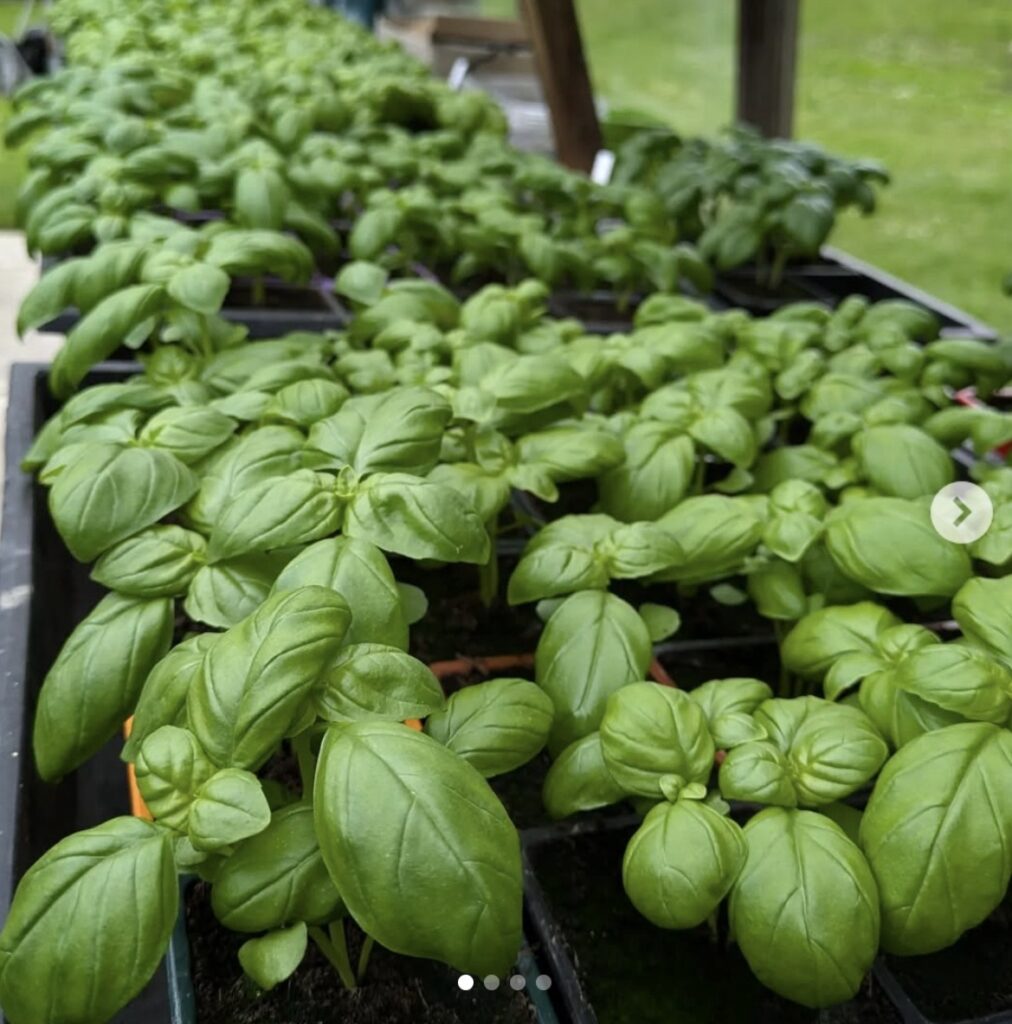
Sweet basil is the most popular variety. It has the round, curved, grassy green leaves that are Basil’s trademark and makes a great base for pesto.
Genovese basil is the “Italian cousin” of sweet basil. Also great in pesto and other Italian dishes, it has larger, darker green leaves and a stronger flavor.
Thai sweet basil has flatter and more pointed leaves than sweet basil. Its leaves have a distinct black licorice flavor that withstands high cooking temperatures well, unlike sweet basil.
There is also purple basil, which has striking reddish-purple leaves and tastes just as interesting – like medicinal cloves.
Tulsi or holy basil is used by people for rituals in Hinduism, and in Ayurvedic medicine it is considered one of the most important medicinal plants. It is more bitter than other types of basil when eaten raw.
These are some types of basil that you may come across. You can buy basil leaves fresh, frozen or dried. When used for medicinal purposes, you can also buy basil as an essential oil, extract, and powder.
Basil is also an easy plant to grow yourself – all you need is a container, soil and lots of sunlight. And don’t forget to water it.
What is basil good for?
Basil is an excellent source of vitamin K, especially dried basil leaves. Vitamin K helps strengthen your bones and also plays a big role in your blood’s ability to clot. But that is only the tip of the iceberg, writes Jutarnji list.
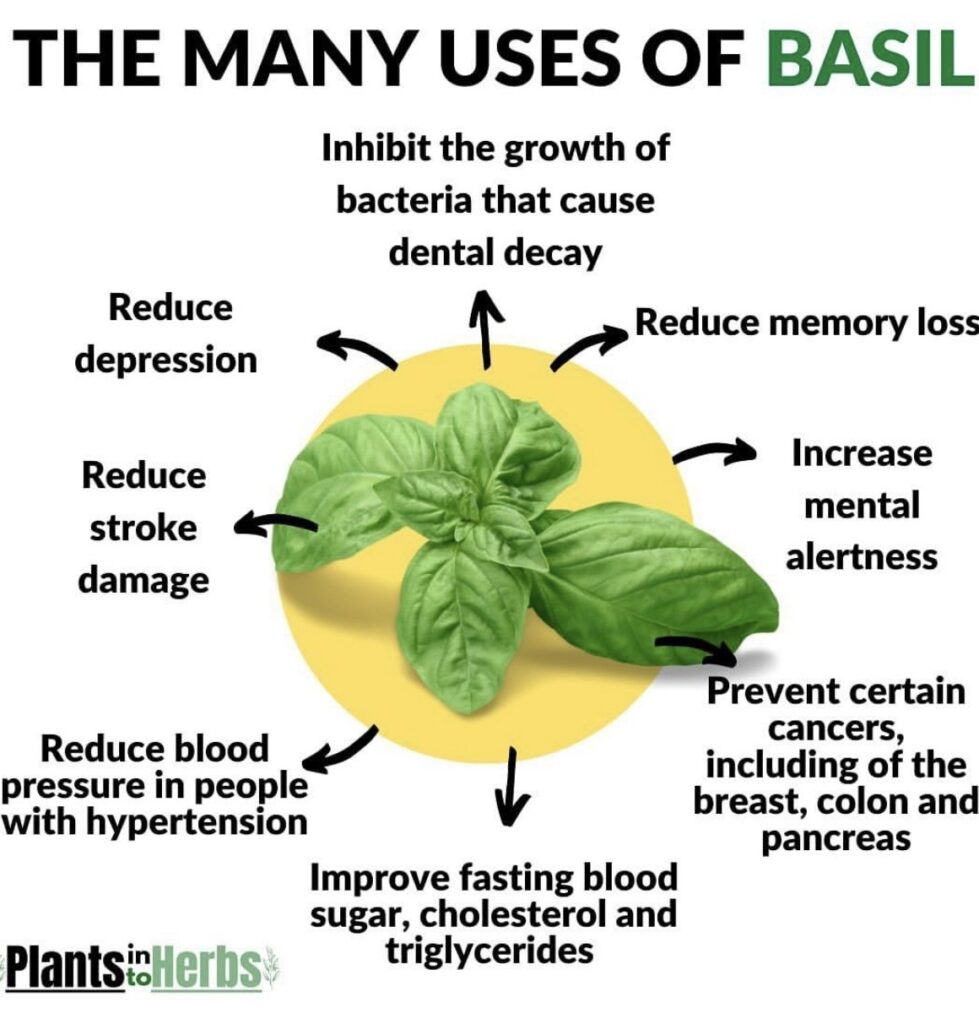
A review of 24 human studies found that all reported results support the health benefits of basil. Culbertson points to five main ones.
Protects against cell damage
Basil leaves are full of antioxidants, natural compounds that protect your body’s cells. Cells are damaged by oxidative stress when they have too many free radicals. “Your body creates free radicals in response to stress and inflammation. Free radicals also come from environmental exposures, like cigarette smoke and UV radiation,” explains Culbertson. “But antioxidants act as a shield against free radicals – and the health problems they cause.”
If left unchecked, oxidative stress can lead to health conditions that include cancer, cardiovascular disease, and inflammatory diseases such as arthritis.
Prevents cancer
Several studies have shown the potential of sweet basil essential oil to prevent certain types of cancer. In one laboratory study, sweet basil prevented the growth of human colon cancer cells in test tubes. In another study, scientists found that all leaf extracts of six different types of basil have anticancer properties. Basil stopped the cancer cells from growing and dividing, eventually destroying them.
“There is growing evidence that basil may be a powerful cancer prevention agent,” says Culbertson. But researchers need to conduct more human studies to confirm these promising results and understand how much basil people should consume.
It helps control blood pressure and cholesterol
In traditional Chinese medicine (TCM), basil has been used to treat cardiovascular diseases for centuries – and for good reason. Non-human studies have shown that it can reduce high blood pressure and improve cholesterol levels.
“In addition, holy basil contains eugenol, an oil that can help lower blood pressure by relaxing blood vessels,” notes Culbertson. Studies have tested several forms of basil, including extracts, leaves, and leaf powder.
Improves blood sugar levels
Both laboratory and human studies have shown basil’s special ability to manage blood sugar. For example, scientists noted that basil extract contributed to a significant reduction in blood sugar levels in laboratory models of diabetes. Another non-human study showed similar effects with holy basil extract.
“Human studies are in their early stages, but they have shown some exciting potential benefits for blood sugar control.”
Tea relieves infections and inflammation
Basil tea is used to relieve infections and inflammatory processes in the body. It contains camphor, mineral salts, plant fibers, essential oils… It is rich in vitamins A, K, C and B6; and from minerals it contains magnesium, manganese, potassium and iron.
Basil tea really has many medicinal properties, the most important of which are:
Against muscle pain
Prevention of diseases of digestive organs
For problems with the kidneys, bladder and urinary system
Against insomnia and chronic fatigue, headaches
Against colds, flu, bronchitis, asthma
For problems with skin diseases
Prevents various infections
Basil tea is suitable for problems with breathing, coughing and secretions. Inflammation of the respiratory organs leads to a cough, which can often be persistent and unpleasant. Basil tea can clear the bronchi and help expel mucus that irritates the airways. That’s why basil tea calms the cough and over time, with regular use of the tea, the cough stops.